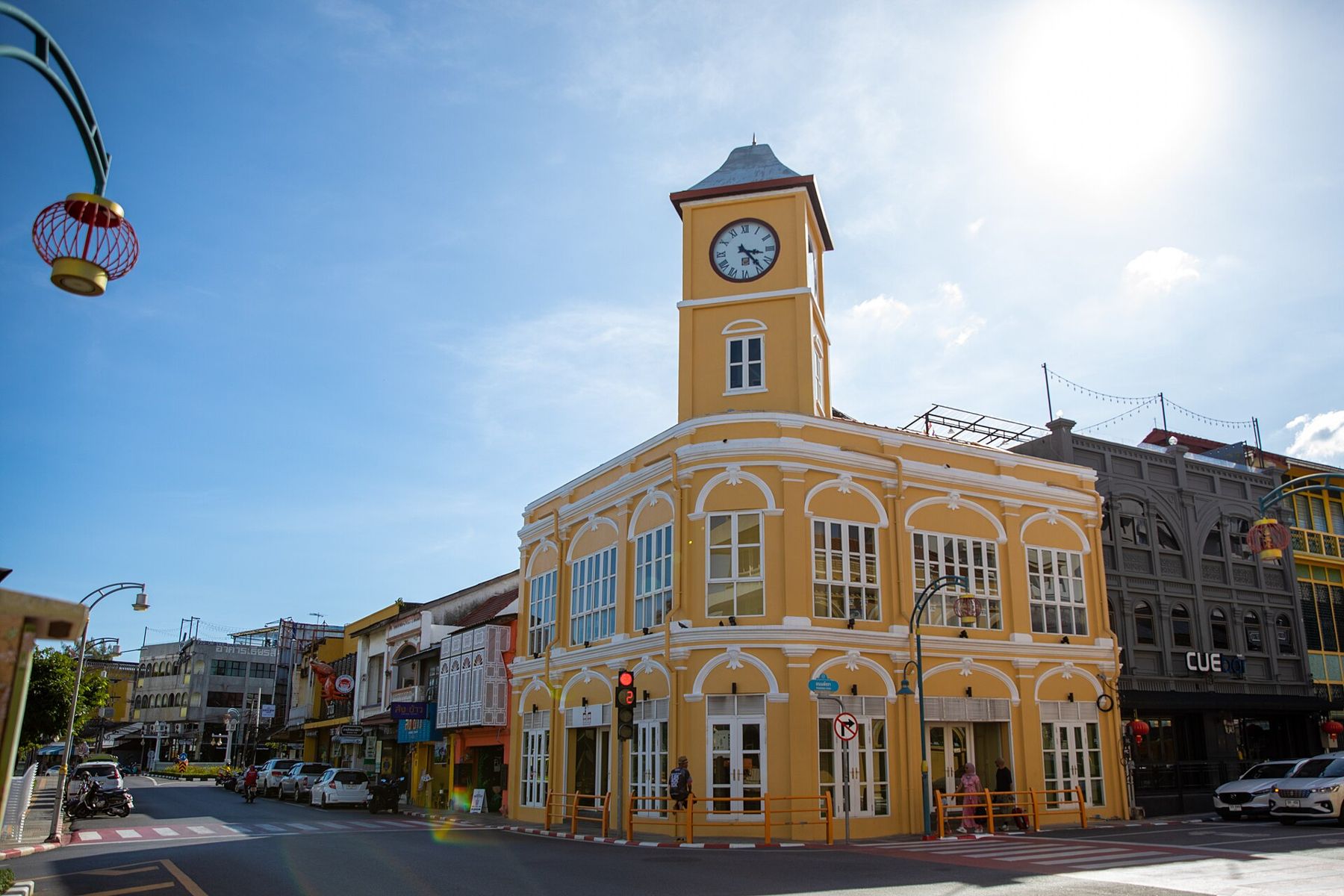
Most visitors to Phuket head straight for the beaches, and many never see Phuket Town at all. That is their loss. The island's main town, on the east coast away from the resorts, has an old quarter of colourful shophouses and mansions built in the nineteenth and early twentieth centuries, when Phuket was a centre of tin mining. The buildings, the food and the festivals reflect the mixed heritage of the Chinese immigrants who came to work the mines and stayed.
The old quarter is small, a handful of streets that can be walked in an hour or two, and it is at its best in the late afternoon.
Tin and the people it brought
Tin was mined on Phuket for centuries, but in the nineteenth century the industry boomed. Chinese workers, many of them Hokkien speakers from southern China and from the Straits Settlements of Penang and Malacca, came in large numbers to work the mines. Some became wealthy merchants and mine owners, and they built houses and shops in the style they knew from the Straits towns.
Over time, many of these families married into the local population, creating a distinctive Peranakan culture, known locally as Baba, with its own food, dress and customs. That heritage is still visible in the old town today.
i
Thalang Road
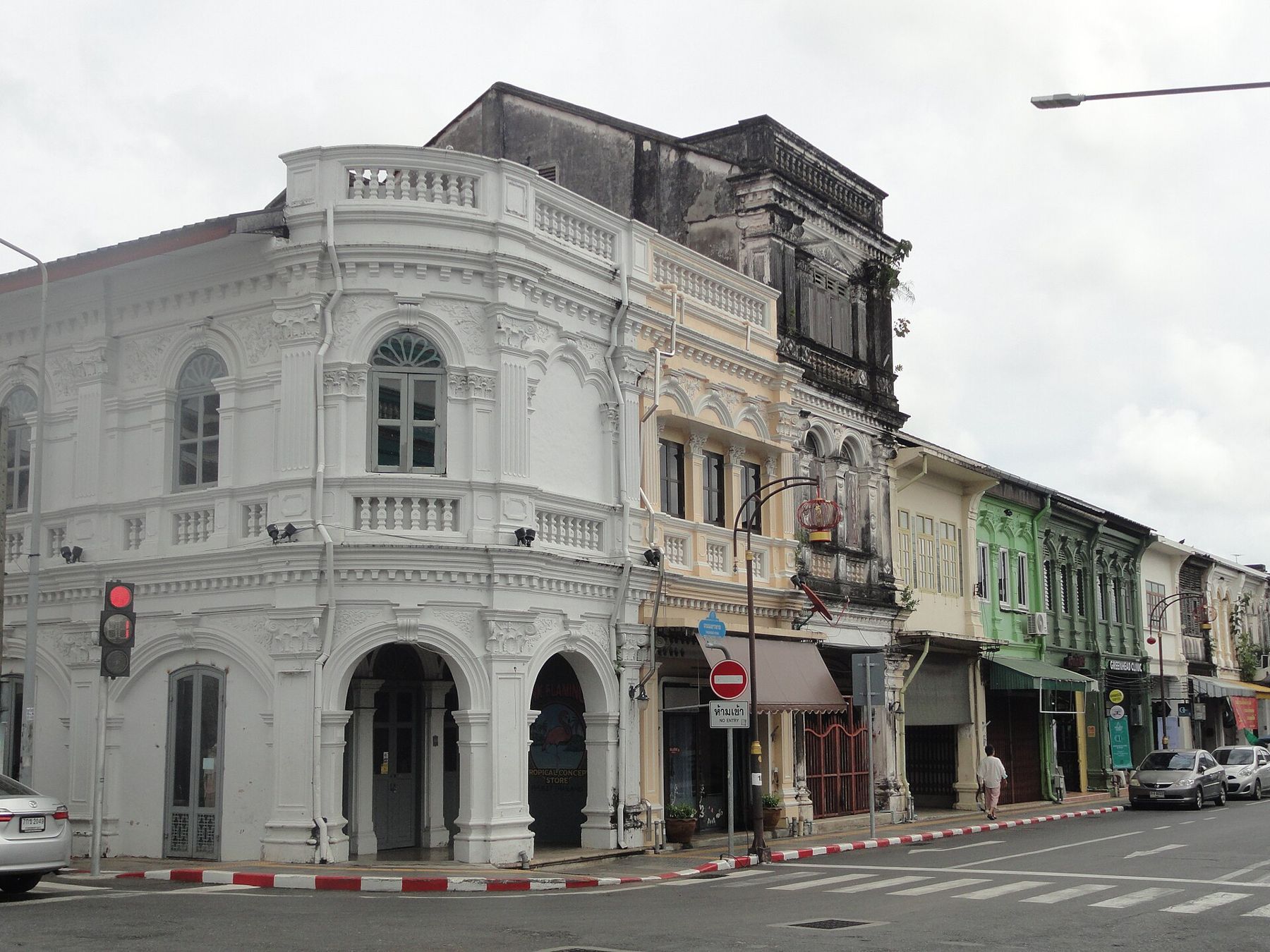
Thalang Road is the heart of the old quarter, lined on both sides with two-storey shophouses in the style often called Sino-Portuguese. They have narrow fronts, arched windows, decorative plasterwork and covered walkways in front, much like the five-foot ways of George Town. The facades are painted in pastel colours, and many have been restored in recent years.
The shophouses still hold a mix of businesses, from old fabric shops and family businesses to newer cafes and galleries. Walk slowly and look up at the upper storeys, where the original details are often best preserved.
Soi Romanee
Off Thalang Road, a short lane called Soi Romanee is lined with small, brightly painted shophouses. In the past it was known for opium dens and brothels; today it has been restored and is one of the most photographed streets in town, with candy-coloured fronts and plants spilling from balconies.
It is a short lane, and it can be busy with photographers, especially in the late afternoon, when the sun lights the western side and the colours glow. Come early in the morning for a quieter look.
Mansions and shrines
A few streets from Thalang Road, larger mansions built by the wealthiest tin families stand in their own grounds. Some are in the Sino-Portuguese style, others more European, with columns and verandas. A few are open as museums or for visits; others remain private homes. One former Chinese school has been turned into a museum about the history of the town and its people.
Fold over to A1Armenian Street and the clan houses of George TownChinese shrines are scattered through the old town, the largest of them busy with worshippers on festival days. Visitors are welcome to look around quietly; remove shoes where asked, and do not touch offerings.
The vegetarian festival
Phuket's best-known festival takes place over nine days in the ninth lunar month, usually in September or October. During the vegetarian festival, many residents give up meat, and the shrines hold ceremonies and processions through the streets. Some participants, believed to be possessed by gods, pierce their cheeks with skewers and other objects and walk in the processions. The scenes are intense and not for everyone. Firecrackers are thrown along the routes, so wear earplugs and keep a safe distance.
Food from the tin towns
Phuket's food reflects its Peranakan and Hokkien roots, and the old town is the best place to try it. Dishes such as Hokkien-style noodles, rich curries and sweet desserts made with coconut and palm sugar are close cousins of the food of Penang and Malacca. Breakfast in the old town, at a simple shop with dim sum and coffee, is a local habit and a good way to start a walk.
The town's markets sell local fruit, dried seafood and sweets. Look for the cakes and desserts made from sticky rice, coconut and pandan leaves, often wrapped in banana leaves, which are typical of the island's Peranakan kitchens.
For a view over the old town and the bay beyond, climb or drive up Rang Hill, a small hill on the north-western edge of the town centre. A park at the top has viewpoints over the rooftops, the harbour and the islands offshore. It is a popular spot with residents for walks and exercise in the cool of the early morning and evening.
Old Phuket Town is also a good base for a slower kind of island visit: a morning walk among the shophouses, an afternoon at a museum or a market, and an evening meal among residents rather than holidaymakers.
Thalang Road on a Sunday evening
On Sunday evenings, part of Thalang Road becomes a walking street market, with stalls selling food, crafts and clothes, and performers on small stages. It is popular with residents and visitors alike, and the street is crowded and lively from late afternoon until late at night.
Phuket Town lies about half an hour by road from the main beaches. A visit fits easily into a day trip, ideally ending at the Sunday market. For more Straits-style shophouse streets, see Ipoh across the border in Malaysia. Opening hours and festival dates change, so check them for Phuket before you go.