Fifteen panels, one sheet
Grid references run A to C across, 1 to 5 down. Each panel opens its quarter’s walk.
A1Malaysia
George Town, Penang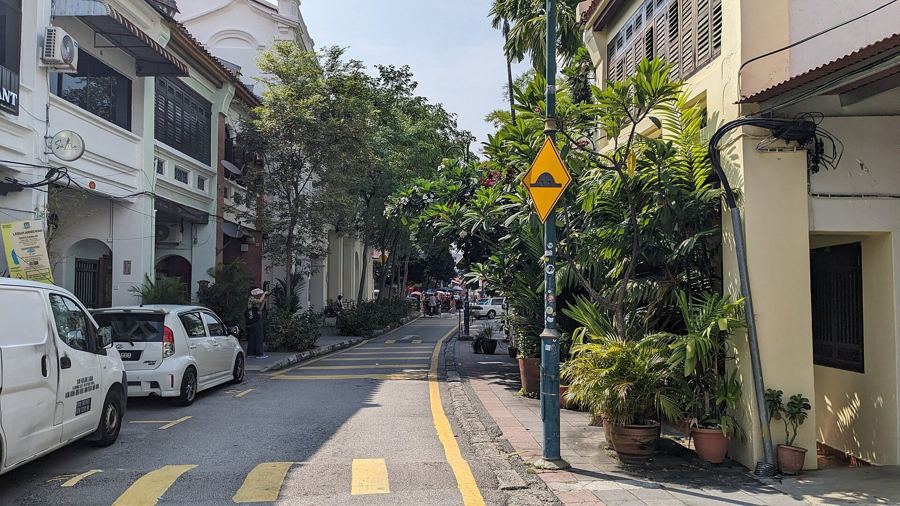
i
George Town's oldest streets are a grid of shophouses, temples and clan halls. Start on Armenian Street before the heat and let the clan houses pull you sideways into the lanes.
c. 3 km2 to 3 hours7 to 10 am
B1Malaysia
George Town, Penang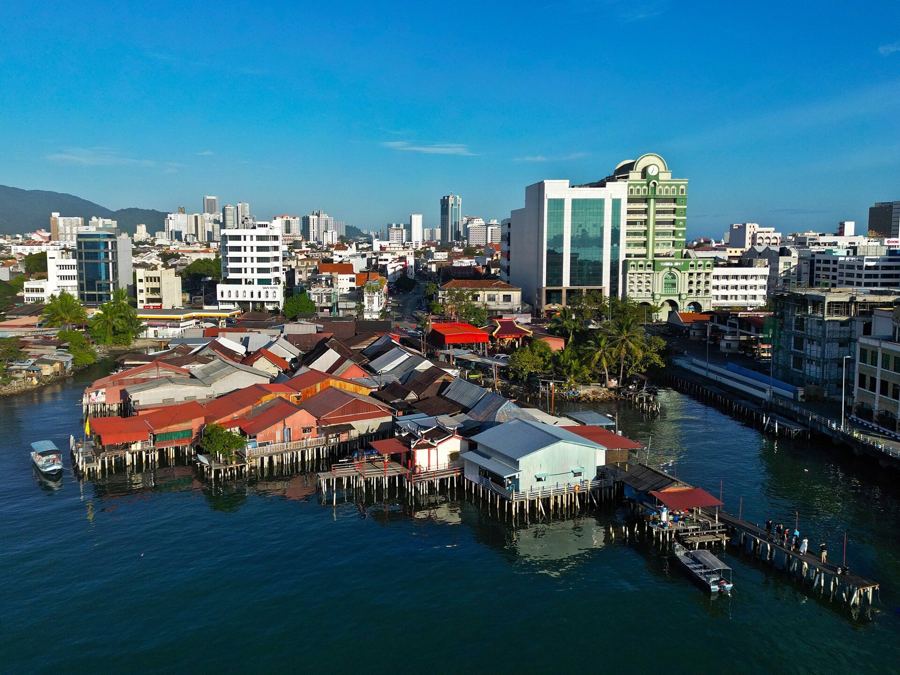
i
On George Town's waterfront, families from Chinese clans built villages of timber houses on stilts over the water. People still live on them, and visitors are welcome if they remember that.
c. 1.5 km1 to 2 hoursEarly morning, sunset
C1Malaysia
Melaka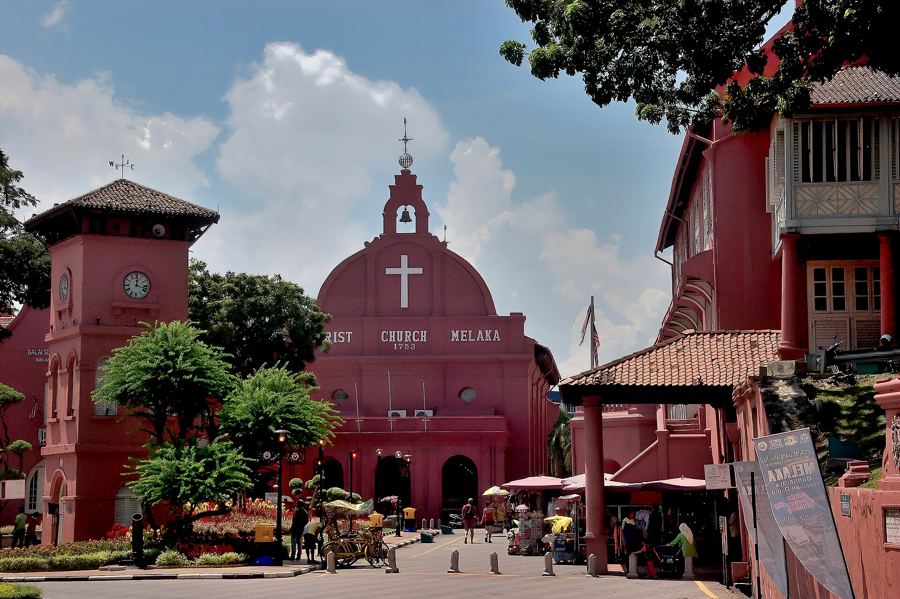
i
Malays, Portuguese, Dutch and British have all ruled Melaka, and each left buildings within a few minutes' walk of each other. Start at the river and climb the hill at the end of the day.
c. 4 kmHalf a dayLate afternoon
A2Malaysia
Ipoh, PerakTin made Ipoh rich, and the miners' money built a town of grand colonial buildings and shophouse lanes. Today it is quieter than Penang and Melaka, and easy to walk in a morning.
c. 3 km2 to 3 hoursEarly morning
B2Malaysia
Kuala Lumpur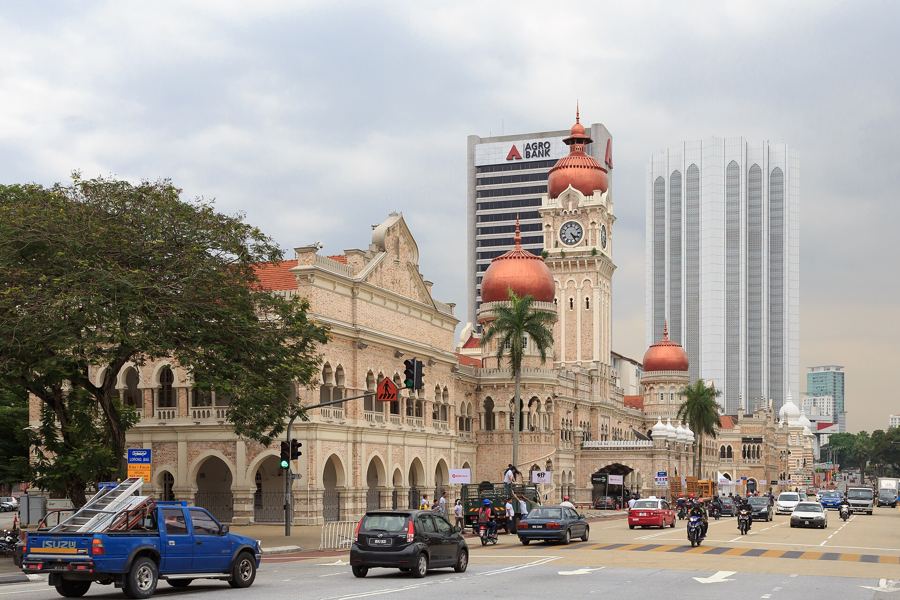
i
Before the towers, Kuala Lumpur was a tin-mining town at the meeting of two muddy rivers. Its colonial core and first mosque still stand there, an easy morning's walk from the skyscrapers.
c. 3 km2 to 3 hoursEarly morning, blue hour
C2Laos
Luang Prabang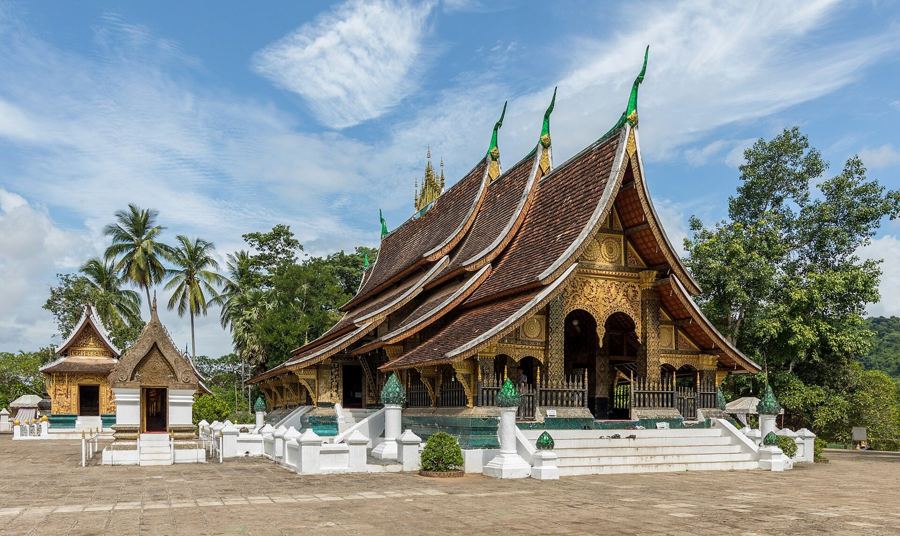
i
Luang Prabang's old town sits on a tongue of land where the Nam Khan meets the Mekong. Temples, wooden houses and French villas line three parallel streets you can walk end to end.
c. 4 kmHalf a dayDawn and late afternoon
A3Laos
Vientiane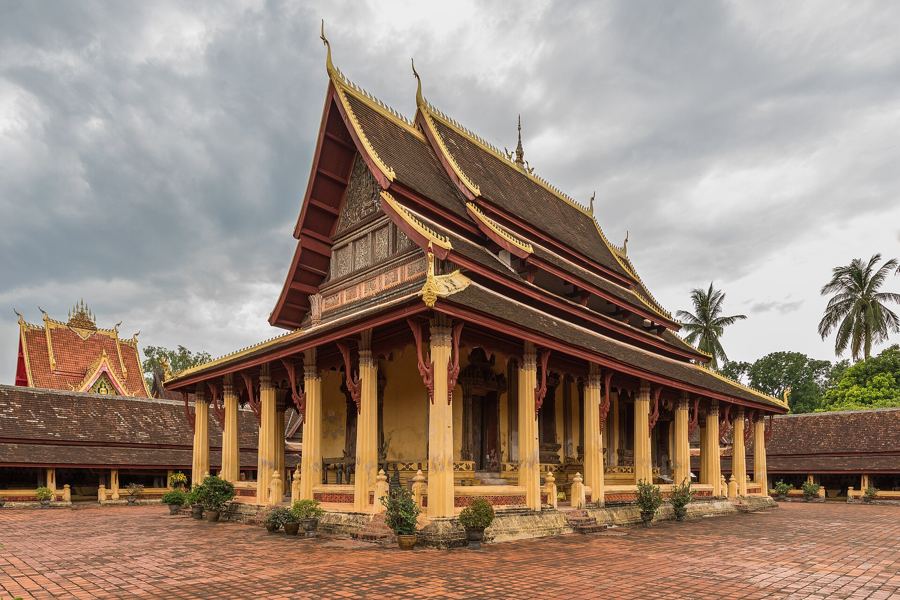
i
The capital of Laos moves at a slow pace. Its centre is a few streets of temples, colonial villas and cafes between a black stupa and the Mekong, best walked in the cool of the morning.
c. 4 km3 to 4 hoursMorning, then sunset
B3Myanmar
Yangon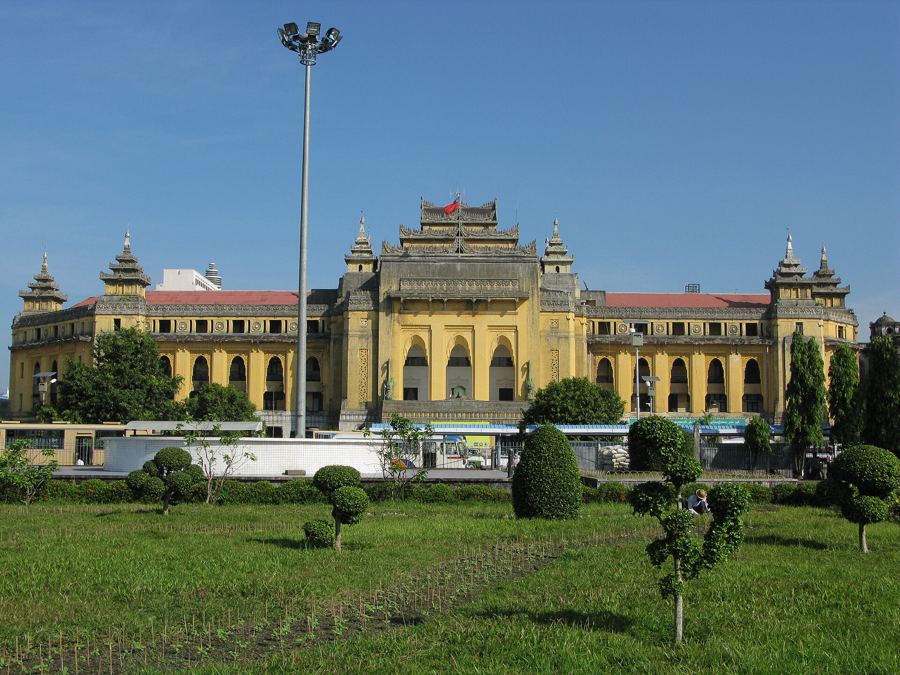
i
The British laid out downtown Yangon as a grid of numbered streets around an ancient pagoda. Its colonial buildings, some restored and many crumbling, make one of the most striking townscapes in Asia.
c. 3 km2 to 3 hoursSunday morning
C3Thailand
Bangkok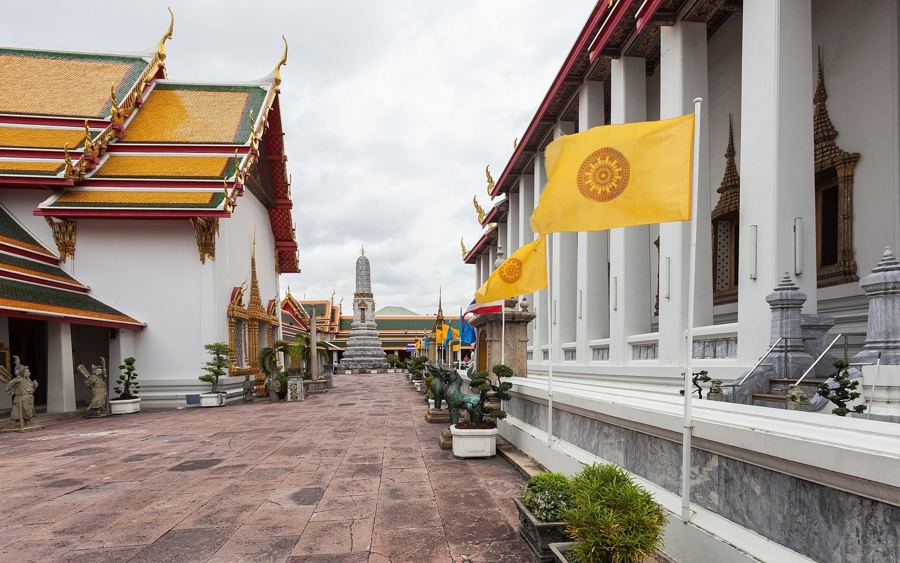
i
Bangkok's old royal centre sits on an island ringed by the river and old canals. Its temples are close enough to walk between, if you start early and keep to the shade.
c. 5 kmHalf a dayOpening time, then sunset
A4Thailand
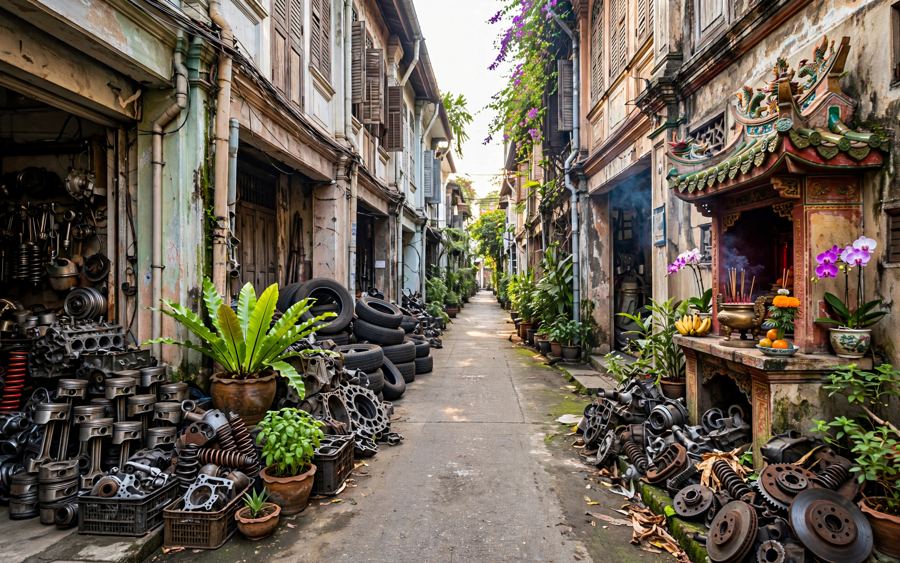
BangkokBetween Bangkok's Chinatown and the river, Talat Noi is a maze of narrow lanes where old Chinese houses, shrines and a Catholic church share space with workshops full of second-hand engine parts.
c. 2.5 km2 hoursLate afternoon
B4Thailand
Chiang Mai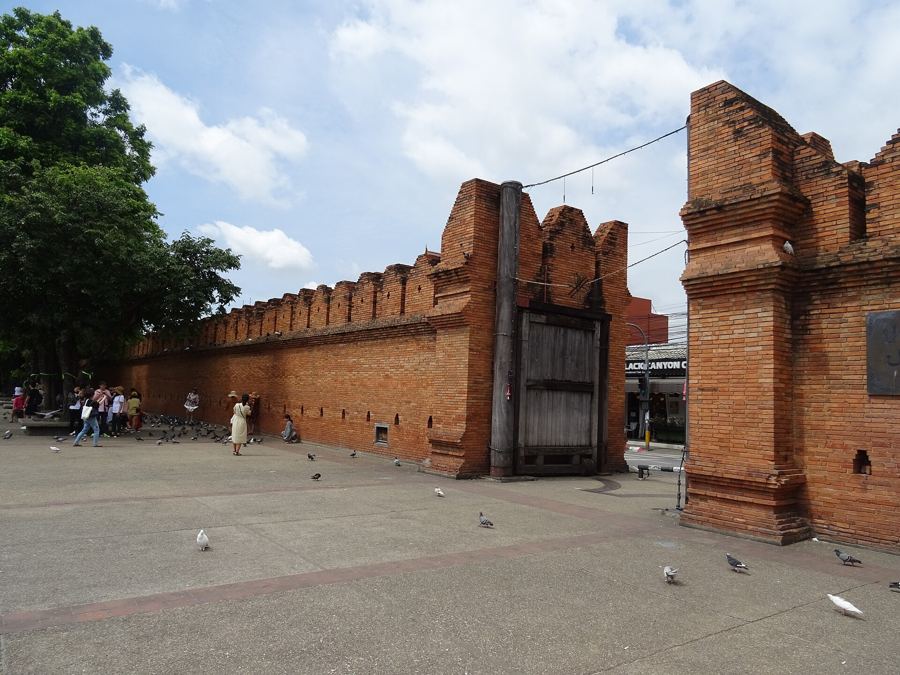
i
Chiang Mai's old city is a square inside a moat, about a mile and a half on each side, with dozens of temples inside its walls. Walk it corner to corner and gate to gate.
c. 6 kmHalf a dayEarly morning
C4Thailand
Phuket Town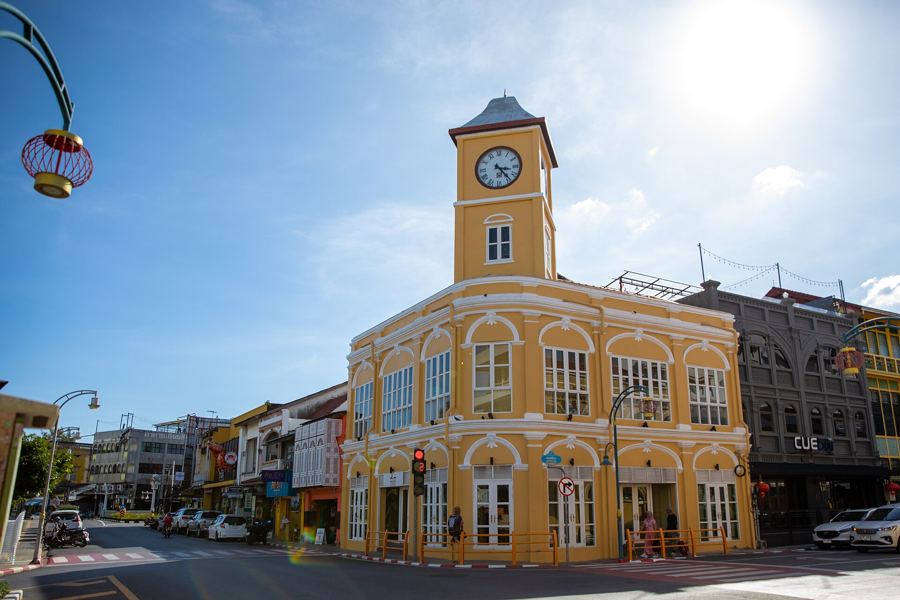
i
Photo: Mussi Katz from Israel ·
CC0Away from the beaches, Phuket Town's old quarter is a few streets of pastel shophouses built with tin-mining money, with shrines, mansions and a lively Sunday market.
c. 2 km2 hoursLate afternoon
A5Philippines
Manila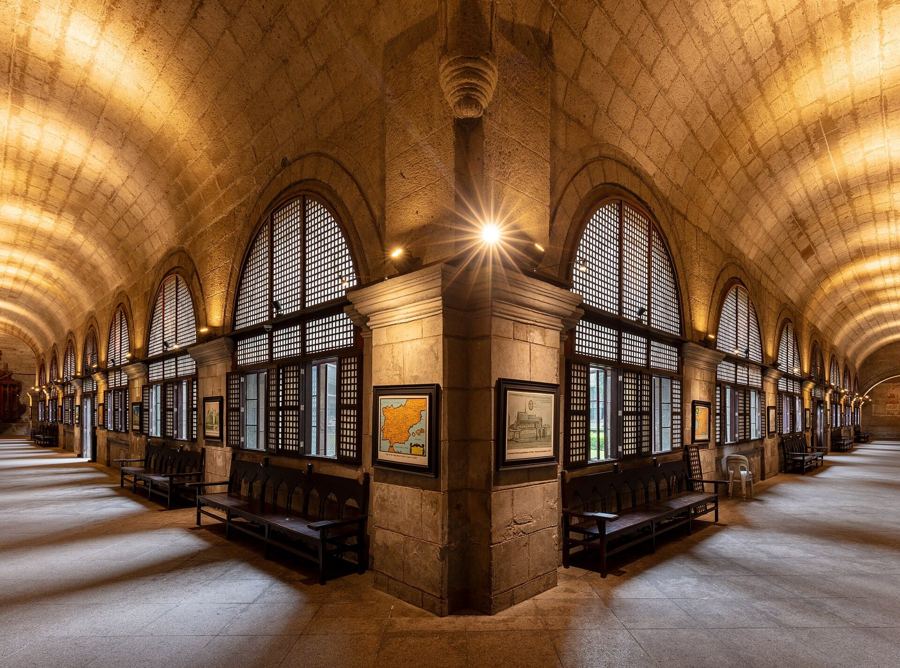
i
Spanish Manila was built inside stone walls on the bank of the Pasig. Much of it was destroyed in 1945, but the walls, a great church and a fort survive, and you can walk along the ramparts.
c. 4.5 km3 hoursLate afternoon, ramparts
B5Philippines
Manila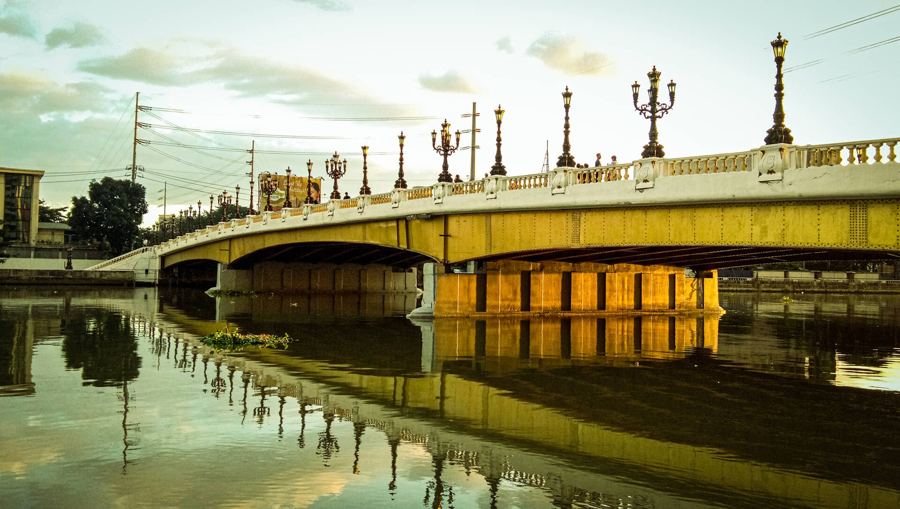
i
Just across the river from the walled city, Binondo grew as a district for Chinese Catholic traders in the sixteenth century. Escolta, beside it, was once Manila's grandest shopping street.
c. 3 km2 to 3 hoursMorning
C5Philippines
Vigan, Ilocos Sur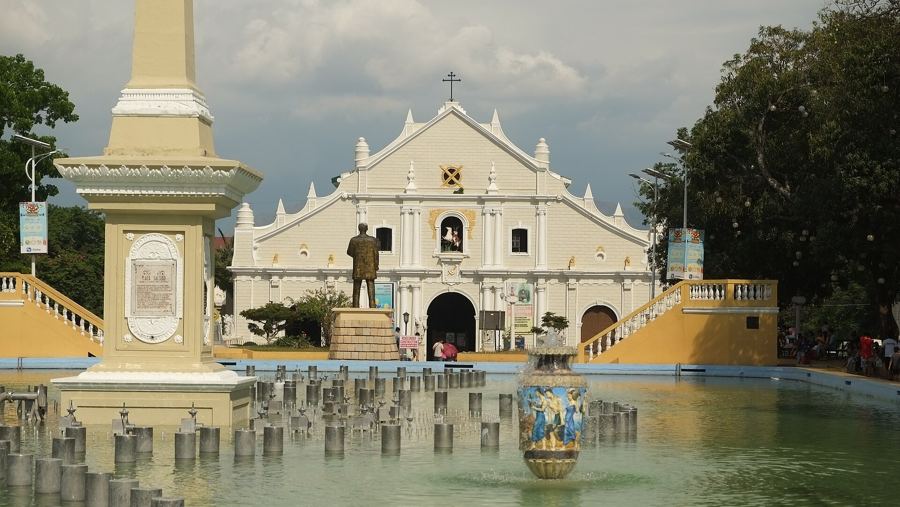
i
In the far north of Luzon, Vigan is the best preserved Spanish colonial town in Asia, a grid of cobbled streets and stone-and-timber houses built by Chinese and Filipino merchants.
c. 2.5 km2 to 3 hoursDusk, under the lamps