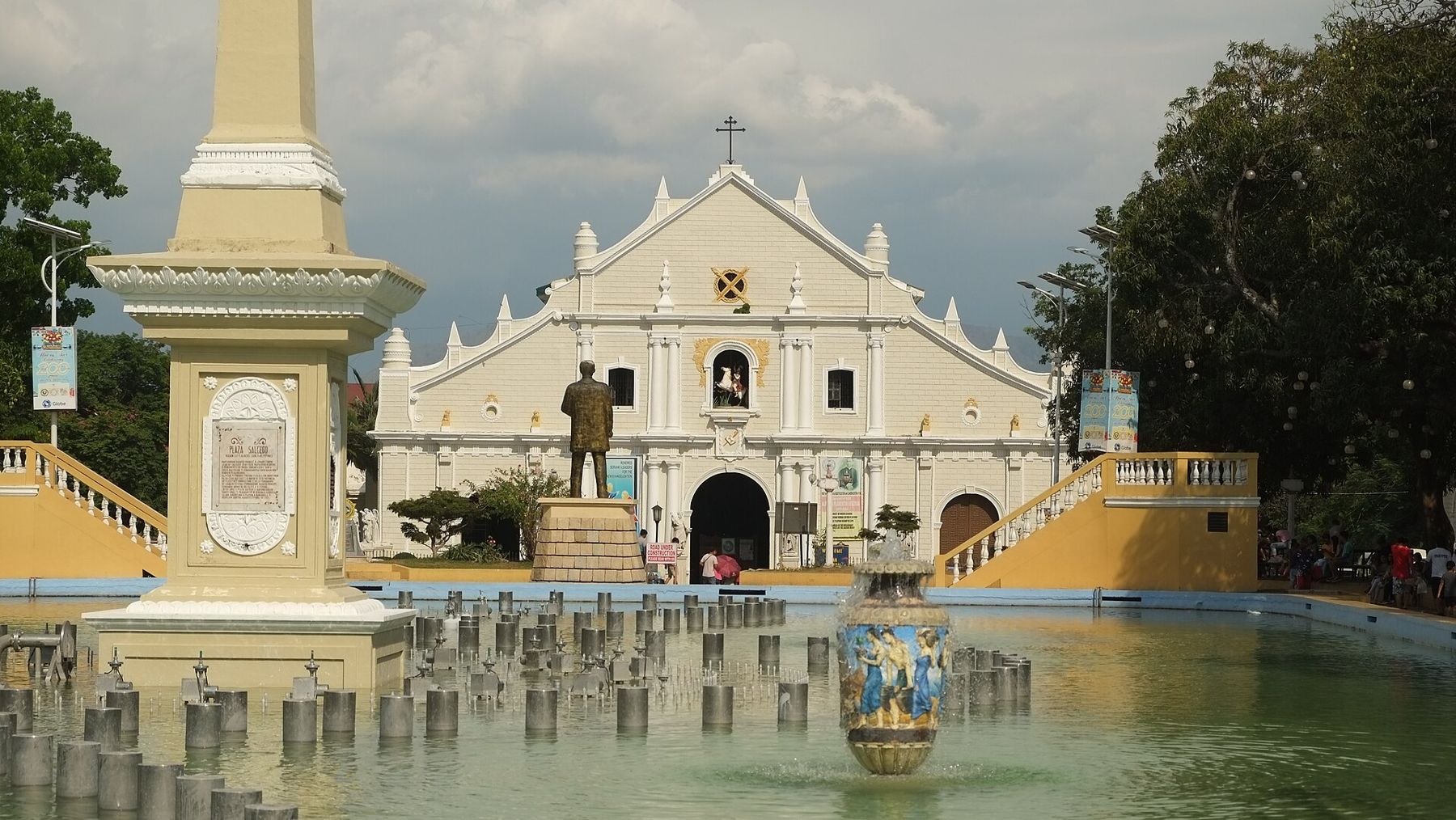
Vigan lies on the north-west coast of Luzon, in the province of Ilocos Sur, several hundred kilometres north of Manila. In the Spanish period it was an important trading town, linked by sea to China and the rest of Asia, and its wealthy merchants, many of them of mixed Chinese and Filipino descent, built houses that blended Spanish town planning with Asian building traditions. Unlike Manila, Vigan escaped serious damage in the Second World War, and its historic centre survives almost intact. It was listed as a UNESCO World Heritage Site in 1999.
The old town is compact, a grid of streets around two plazas, and it can be walked in a couple of hours.
The bahay na bato
The typical house of Vigan is the bahay na bato, the house of stone. Its lower floor is built of thick stone or brick walls, used for storage, shops or carriage rooms. Above it, the upper floor, where the family lived, is built of timber, with wide sliding windows made of translucent capiz shells set in wooden frames. Wide eaves and tiled roofs keep out the sun and rain.
The design suited the climate and the earthquakes of the region: the heavy stone base gave strength, and the lighter timber upper floor flexed rather than collapsed. Inside, the houses had large living rooms, polished wooden floors and furniture made by local craftsmen.
i
Calle Crisologo
Calle Crisologo is the best-known street in Vigan, a few blocks of cobblestones lined on both sides with old houses. It is closed to motor traffic, so the only vehicles are kalesas, horse-drawn carriages that carry visitors along the street. Many of the houses now hold shops selling local crafts, textiles and snacks on their ground floors.
In the daytime, Calle Crisologo can be crowded with visitors. Come back at dusk, when the lamps along the street are lit and the light softens on the old walls. Early morning, before the shops open, is also quiet and beautiful, with only the sound of hooves on the stones and sweeping brooms outside the doors. Take care on the cobbles, which are uneven and slippery after rain, and step aside for the kalesas, which move faster than they look.
The cathedral and the plazas
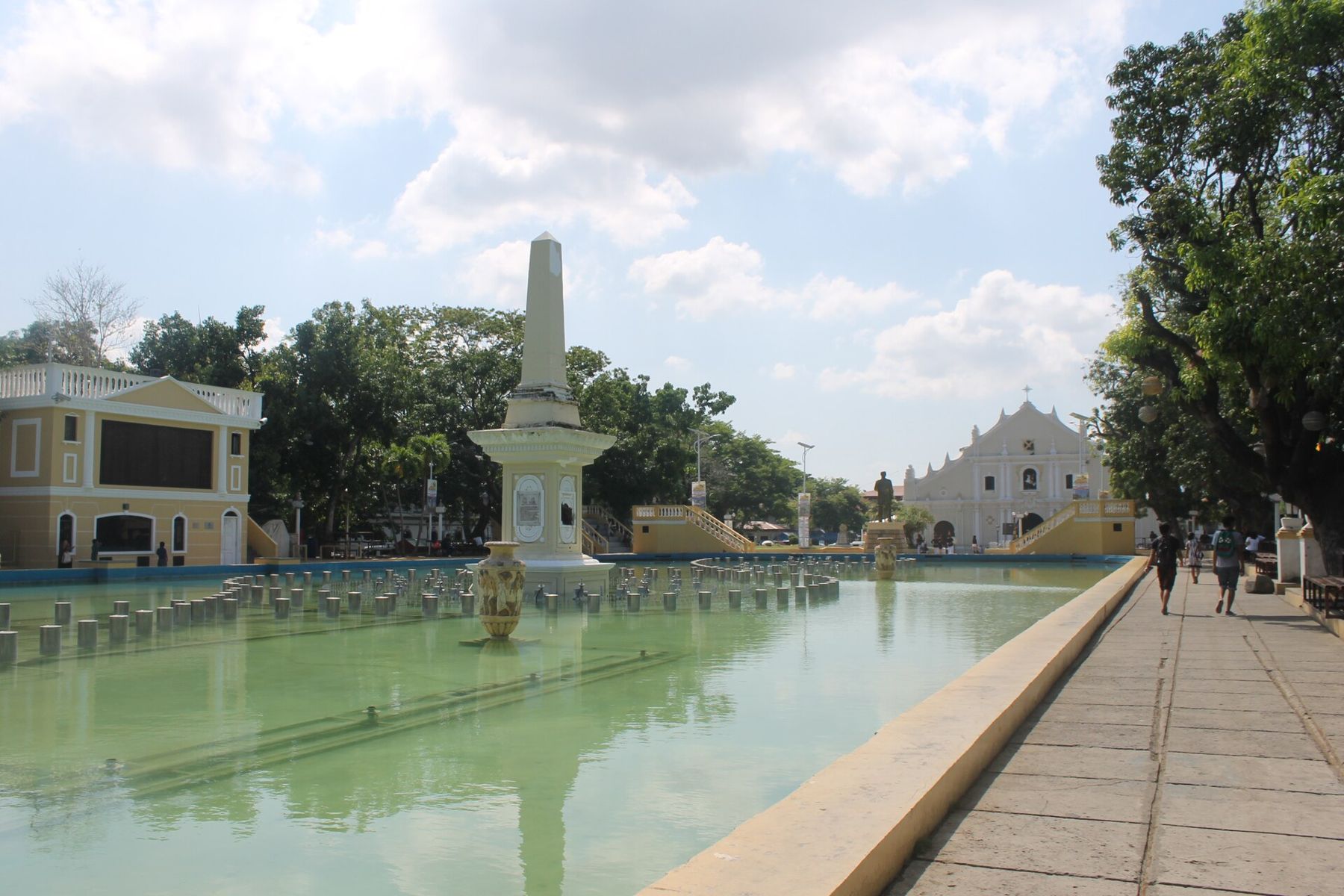
At the heart of the town stand two plazas. Plaza Salcedo, a long open space, has a monument and a fountain that comes alive with music and coloured lights in the evening. On one side of it stands St Paul's Cathedral, built in the late eighteenth century in a style sometimes called earthquake Baroque: thick, low walls and heavy buttresses designed to resist earthquakes. Its bell tower stands apart from the church, so that if it fell, it would not bring the church down with it.
Fold over to A5Round Intramuros on top of the wallsNext door, Plaza Burgos is smaller and shadier, a gathering place for residents in the evening. Around both plazas stand government buildings and old houses.
Museums in old houses
Several of the grand old houses of Vigan are open as museums, furnished with the furniture, portraits and household objects of the families who lived in them. They give a sense of how the town's merchant families lived, with large reception rooms, carved beds and family chapels. Opening hours vary, and some may close for restoration.
Crafts of the town
Vigan is known for burnay, large earthenware jars made by local potters using traditional methods. In a district on the edge of the old town, potters still shape the jars on wheels turned by animal power, firing them in long kilns. The jars were used for storing water, rice and fermented foods.
Another local craft is weaving. Abel, a cotton cloth woven on traditional looms, is made in the Ilocos region and sold in the shops of the old town as blankets, towels and clothing.
The town beyond the old grid
Vigan's old district is small, but the town around it has more to see. The Mestizo district, as the old quarter is sometimes called, was home to the wealthy merchant families, while the surrounding areas held the houses of farmers, craftsmen and workers. Churches, schools and markets in the wider town date from the Spanish and American periods.
The Ilocos region is known for its food, including empanadas filled with egg, green papaya and sausage, and longganisa, a garlicky local sausage. Food stalls around Plaza Burgos are popular in the evening. The region is also known for its strong, dry climate and for the tobacco that was once its main crop under a Spanish monopoly.
A kalesa ride around the old town is a popular way to see the streets beyond Calle Crisologo. Drivers usually follow a set circuit past the cathedral, the plazas, the old houses and sometimes the pottery district. Agree the price and the stops before you set off, and give the horse a rest in the heat of the day.
The long road north to Vigan
Buses run from Manila to Vigan, a journey of around eight to ten hours, often overnight. The nearest airport is at Laoag, about two hours north by road. The dry season, from November to April, is the best time to visit; the rainy season brings heavy rain and occasional typhoons. Vigan is far from Manila, but its old town is unlike anything else in the country. For the capital's own colonial past, see Intramuros and Binondo. Opening hours change, so check them for Vigan before you go.